Deoleo Stock Plummets 18% After Rivals Announce Takeover Bid — Here's What It Means for the Olive Oil Market
 Stock SteveVeteran trader with a focus on US equities and technical analysis. No inside info, just pure market logic and risk management.3 views
Deoleo Stock Plummets 18% After Rivals Announce Takeover Bid — Here's What It Means for the Olive Oil Market
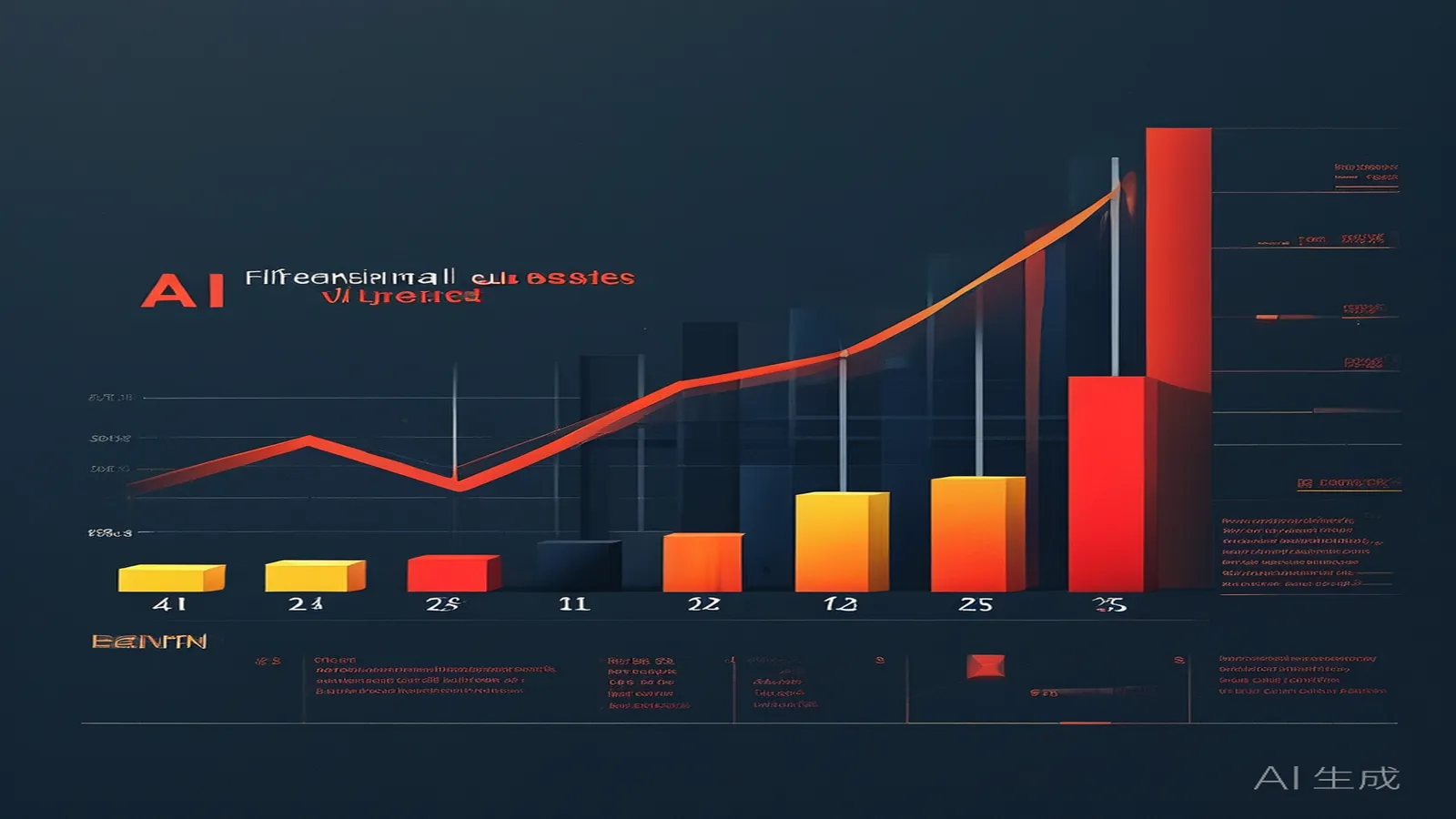
Deoleo, the world's largest privately held olive oil company by revenue, shares plunged as much as 18% in early trading on Tuesday after two of its biggest competitors — Pratigroup and Sovena — announced plans to acquire the Spanish-based firm. The deal, if finalized, would create a combined entity that could reshape the entire European olive oil landscape, giving the acquirers a dominant position in what analysts say is a market worth billions of euros.
The immediate catalyst was a joint announcement from Pratigroup, a leading Italian producer, and Sovena, the world's largest olive oil producer by volume, both of which have been in talks with Deoleo's shareholders for weeks. The combined valuation reportedly sits in the range of €1.5 billion to €2 billion, depending on the final deal structure. For investors who had been buying Deoleo shares on dips, the news sent shockwaves through European commodity markets and triggered a sharp sell-off across related equities.
Here are the verified facts from the initial announcement:
- Deoleo is the world's largest privately held olive oil company, with an estimated annual revenue of approximately €1.2 billion.
- Pratigroup and Sovena jointly announced their intent to acquire Deoleo, reportedly in a deal valued between €1.5 billion and €2 billion.
- Deoleo shares fell as much as 18% in early trading on the Madrid Stock Exchange.
- The acquisition would give the combined Pratigroup-Sovena entity a near-monopoly position in the global extra virgin olive oil market.
- The deal is expected to close in the coming weeks, pending regulatory approvals in the European Union and Spain.
The timing of the announcement is notable. Olive oil prices have been on a sustained rally, driven by tight global supply, weather-related crop damage in key producing regions, and surging demand from both the foodservice and retail sectors. A consolidation move of this magnitude — essentially two of the three largest producers acquiring the third — would compress margins for smaller, independent producers and give the new combined giant extraordinary pricing power.
For investors tracking commodity equities, the Deoleo situation serves as a real-time case study in how consolidation waves in essential-goods sectors can trigger violent short-term volatility even when the underlying fundamentals of the acquired company remain intact. The question now is whether European antitrust regulators will approve the deal without imposing significant conditions, or whether the transaction will face delays that push back the timeline for market participants to reassess their positions.
Market Implications and Comparison Table
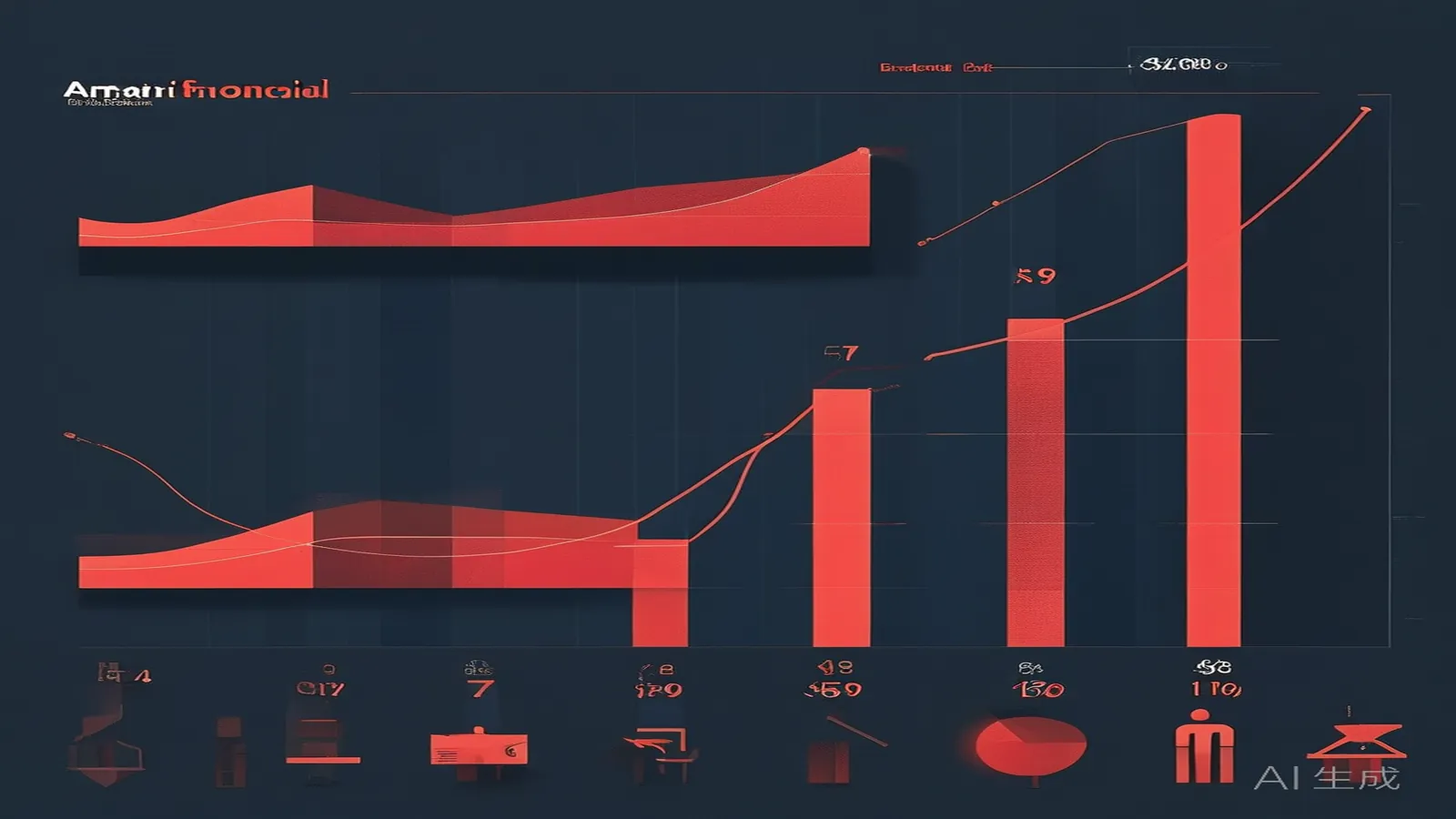
The acquisition announcement by Pratigroup and Sovena sent shockwaves through European commodity equities, with Deoleo shares falling as much as 18% in early trading on the Madrid Stock Exchange. The sell-off was driven by a fundamental tension in the market: investors recognized that consolidation of this magnitude would fundamentally reshape competitive dynamics across the global extra virgin olive oil market. Two of the three largest producers acquiring the third would create a combined entity with a near-monopoly position, giving it extraordinary pricing power at precisely the moment when olive oil prices were already on a sustained rally.
The timing of this deal is particularly significant given the macro backdrop. Global olive oil prices have been climbing on multiple converging pressures — tight supply chains, adverse weather conditions in key producing regions such as Spain, Italy, and Greece, and surging demand from both foodservice and retail channels. When a consolidation event arrives at the peak of a commodity supercycle, the market reaction can be violent even when the underlying fundamentals of the target company remain intact. This is because the risk-reward calculus for smaller, independent producers shifts dramatically overnight, and the pricing power of the new combined entity becomes a dominant force across the entire supply chain.
For investors, the Deoleo situation serves as a real-time case study in how consolidation waves in essential-goods sectors can trigger sharp volatility. The critical variable now is regulatory: European antitrust authorities will need to evaluate whether the combined Pratigroup-Sovena entity would have a dominant market share. If the deal proceeds with minimal conditions, the new giant could exert upward pressure on olive oil prices, squeezing margins for every producer in the value chain — from small-scale cooperatives to mid-tier brands. If regulators impose significant remedies, the timeline for market reassessment could be extended, creating a longer but potentially less disruptive path to resolution.
The following table illustrates the competitive landscape and the projected market impact of the proposed acquisition:
| Company | Estimated Annual Revenue | Market Position | Post-Acquisition Status |
|---|---|---|---|
| Deoleo | ~€1.2 billion | World's largest privately held olive oil producer | Acquired by Pratigroup and Sovena; shares fell ~18% |
| Pratigroup | ~€300–400 million (estimated) | One of the top three global producers | Merger partner; gains scale and global footprint |
| Sovena | ~€250–350 million (estimated) | One of the top three global producers | Merger partner; gains scale and global footprint |
| Smaller Independent Producers | Varies widely (€5–50 million typical) | Fragmented; highly competitive | Margins compressed; pricing power concentrated in new entity |
The combined entity would command a dominant share of global extra virgin olive oil production, raising immediate questions about the future of smaller producers and the sustainability of current price levels. If the deal closes without significant regulatory intervention, the new consolidated player could effectively set benchmark prices across the entire global market — a dynamic that would have cascading effects on downstream food manufacturers, retailers, and ultimately consumers. Conversely, if antitrust conditions are imposed, the consolidation may prove slower to deliver its full pricing power, allowing the market to adjust gradually.
What remains clear is that this transaction is not merely a corporate event — it is a structural inflection point for the global olive oil industry. The companies that position themselves to navigate the post-consolidation landscape — whether by integrating with the new giant, diversifying into adjacent agricultural commodities, or building direct retail relationships — will ultimately determine their competitive standing in a market that is already under significant upward pressure.
Frequently Asked Questions (FAQ)
What does this acquisition mean for olive oil consumers and retailers?
If the deal closes without major regulatory hurdles, the combined entity could exert significant pricing power across the global extra virgin olive oil market, potentially leading to higher retail prices for food manufacturers and consumers alike. However, antitrust conditions could slow this dynamic, giving the market time to adjust.
How will smaller independent olive oil producers respond to this consolidation?
Smaller producers face margin compression and a loss of pricing autonomy, as the new consolidated player gains the scale to set benchmark prices. Many may need to seek partnerships, diversify into adjacent agricultural commodities, or build direct retail channels to remain competitive.
Is this the first major consolidation wave in the global olive oil industry?
No, this follows a broader trend of consolidation across the global food and agribusiness sectors, where large producers acquire smaller competitors to achieve economies of scale, secure supply chains, and strengthen market position against rising demand from emerging economies.