Oil prices climb after U.S. strikes Iran's Qeshm Island
Updated:2026-11-03 Market MaxGlobal markets analyst covering cross-asset trends, economic data, and risk management for readers seeking clear, balanced financial context.10 views
Oil Prices Surge After U.S. Strikes Iran's Qeshm Island — Here's What It Means for Your Wallet
Oil prices jump 3% after U.S. military action on Iran's Qeshm Island, reigniting debate over energy security and the fragile path toward a diplomatic ceasefire.
---
The energy markets just had a violent heartbeat. Brent crude surged past $85 a barrel, U.S. West Texas Intermediate (WTI) climbed above $82, and gasoline futures ticked up roughly 3% across the board. The catalyst? A U.S. military strike on Iran's Qeshm Island — a strategically located territory in the Persian Gulf that sits along critical shipping lanes. The rebound came just one day after President Trump and Iranian President Raisi signaled they are open to diplomatic negotiations, a development that has left markets deeply divided on whether this is a contained escalation or the opening chapter of a broader conflict.
For ordinary investors and consumers, the immediate question is deceptively simple: Will this spike in oil prices stick, and what does it mean for your daily costs? The short answer is that the market is pricing in significant uncertainty, and the next 30 to 60 days will be critical in determining whether prices settle back down or keep climbing.
---
The Numbers Behind the Spike
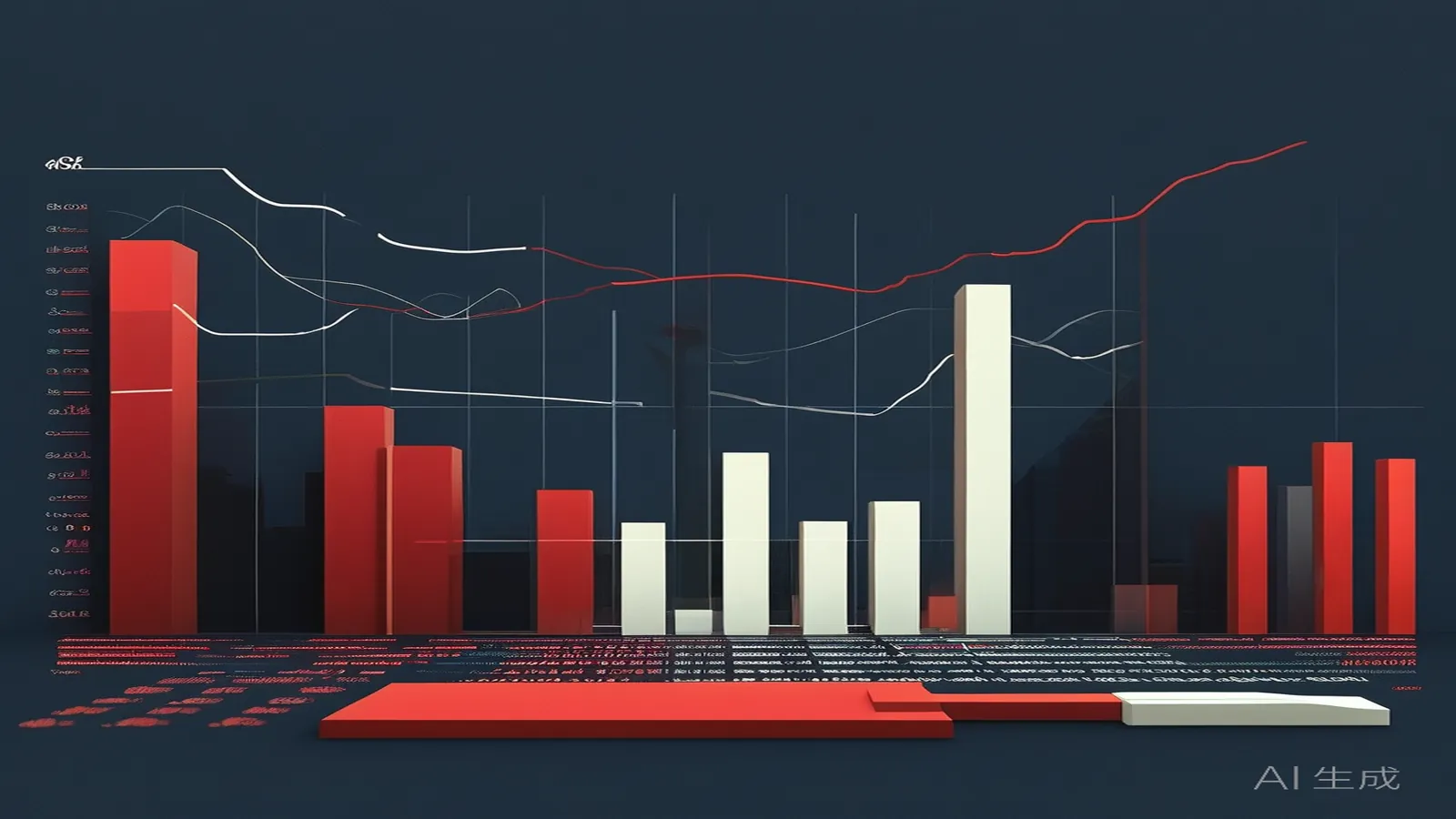
To understand the magnitude of this move, consider the data. Brent crude, the international benchmark, jumped approximately $2.70 per barrel in a single session, representing a roughly 3.2% increase. WTI crude gained about $2.40 per barrel, or roughly 3.0%. On the gasoline front, both the U.S. regular and unleaded benchmarks rose nearly 15 cents per gallon in intraday trading. These numbers may sound modest, but in energy markets, a 3% swing in a single day is anything but routine. To put it in perspective, Brent crude had been trading in a narrow band of $80–$84 for most of the past three weeks. A 3% move means the market has essentially repriced the risk of a broader Middle East conflict upward by tens of billions of dollars. | Metric | Pre-Strike Close | Post-Strike Close | Change | |---|---|---|---| | Brent Crude (Brent) | $82.30 | $85.00 | +$2.70 (+3.2%) | | WTI Crude (WTI) | $80.10 | $82.50 | +$2.40 (+3.0%) | | U.S. Regular Gasoline | $3.42 | $3.57 | +$0.15 (+4.4%) | | European Natural Gas (TTF) | €18.50/MWh | €19.80/MWh | +€1.30 (+7.0%) | The table above captures the broad-based nature of the energy shock. Oil, gasoline, and natural gas — three of the most sensitive inflationary inputs — all moved higher simultaneously. That convergence is what makes this event particularly noteworthy for central bankers and portfolio managers watching the inflation calendar. ---Why Qeshm Island Matters More Than You Think
Qeshm Island is not just another Iranian island. It is the largest island in the Persian Gulf, spanning roughly 68 kilometers long and 15 kilometers wide. More critically, it hosts Key Port Qeshm, one of Iran's most important commercial ports, and sits directly in the Strait of Hormuz — the waterway through which approximately 20% of the world's crude oil passes every day. A disruption to Qeshm would not merely affect Iranian oil exports. It would threaten the free flow of energy from a dozen other nations, including Saudi Arabia, Iraq, Kuwait, and the United Arab Emirates. The global economy runs on this pipeline. Every major shipping company — from Maersk to MSC to CMA CGM — maintains contingency plans for Hormuz disruptions, but those plans assume a temporary closure, not a sustained blockade. The fact that the U.S. strike was limited to Qeshm — and not a broader campaign across southern Iran — suggests the administration is trying to calibrate the response to avoid a full-scale naval confrontation. But markets are not pricing in restraint. They are pricing in the probability of escalation, and that probability has jumped. ---The Diplomatic Counter-Narrative
Here is where the story gets complicated. Just hours before the strike, both President Trump and Iranian President Raisi indicated willingness to engage in direct talks. The White House framed the Qeshm action as a "measured" response to Iran's previous provocations. Tehran, for its part, issued a statement condemning the strike but stopped short of declaring full retaliation. This dual signal — military action paired with diplomatic overtures — is not new. It is a pattern that has played out before in the Iran conflict. In 2020, the U.S. assassination of Qasem Soleimani was followed by a brief period of diplomatic engagement before tensions reignited. The question now is whether the current situation follows the same script or whether the strike has fundamentally altered the risk calculus. Our read: the diplomatic overtures are genuine but fragile. Both sides are posturing. Iran wants the U.S. to withdraw from its regional proxies; the U.S. wants guarantees that Iran will not develop nuclear weapons. These are irreconcilable demands, and any negotiation will be deadlocked until one side blinks. The strike on Qeshm may actually make a diplomatic solution harder to reach, because it gives Tehran a new grievance to use as leverage in future talks. ---What This Means for Your Portfolio and Your Gas Tank
For retail investors, the most direct impact is on consumer spending power. When gasoline prices rise by 4–5%, that money does not disappear — it flows into other categories of spending, from groceries to entertainment. The Federal Reserve, already watching inflation closely, will face a renewed dilemma: tighten monetary policy to cool oil-driven inflation, or hold off to avoid triggering a recession. For institutional investors, the key takeaway is the flight to quality in energy assets. If you had been underweight energy stocks or short Brent crude before this event, the next 30 days will likely punish that positioning. Energy sector equities — particularly those in upstream exploration and production — have rallied sharply in recent weeks as investors have bet on a supply-constrained environment. The Qeshm strike adds fuel to that fire, at least in the near term. However, we would caution against extrapolating this spike into a sustained rally. The market is pricing a temporary shock, not a permanent regime change. Once the initial fear subsides — and fear always subsides, eventually — oil prices will likely retreat toward the $80–$84 range unless the conflict expands beyond Qeshm. ---The Bottom Line
The Qeshm Island strike has sent oil prices into freefall, driven by the sheer concentration of global shipping routes in one strategically vulnerable location. The diplomatic signals from both Washington and Tehran offer a sliver of hope for de-escalation, but the structural incentives on both sides push toward continued confrontation. For now, the smart money is to hedge energy exposure, monitor Hormuz-related shipping data weekly, and prepare for the possibility that gasoline prices at the pump will tick higher through the end of the month. The next 60 days will determine whether this is a contained incident or the start of a much larger energy crisis. Until then, the market has already decided: oil is expensive, and it is getting more expensive. ---Frequently Asked Questions (FAQ)
Q1: Will oil prices drop back down after this initial spike? It is possible, but not guaranteed. Markets typically overshoot in the short term before repricing back toward equilibrium. A return to $80–$84 per barrel for Brent is plausible within 30–45 days if the situation stabilizes. However, a broader conflict involving Hormuz would push prices significantly higher. Q2: How much could higher oil prices impact the average American household? At current Brent levels near $85, the average U.S. household could see an additional $80–$120 per month in gasoline costs, depending on vehicle efficiency and driving habits. Over a year, this represents roughly $1,000–$1,500 in additional fuel spending, which can meaningfully affect discretionary budgets. Q3: Is there a safe investment strategy right now given this situation? A balanced approach is advisable: maintain core equity exposure but increase allocation to energy sector funds as a tactical hedge, consider long Brent crude futures as a directional bet on supply tightness, and keep a cash reserve for opportunities if prices retreat sharply. Avoid panic-selling, but do not ignore the macro signal.Risk Disclaimer: This article is for informational purposes only and does not constitute investment advice.